
Background: Human Epidermal Growth Factor Receptor (HER2)-positive breast cancer accounts for 15-20% of all breast cancer cases. Despite its biological aggressiveness, it shows high sensitivity to chemotherapy in combination with anti-HER2 therapy. This study aimed to assess the real outcomes of neoadjuvant and adjuvant treatment in patients with HER2 positive early breast cancer in this European region. Methods: A retrospective observational study conducted at the Clinical Hospital Center Rijeka, Croatia included 137 adult patients with histologically confirmed HER2-positive early breast cancer treated between October 2016 and May 2024. HER2 positivity was defined as IHC 3+ or IHC 2+ with a positive FISH result. Primary outcome measures included pathological complete response (pCR) and long-term survival. Results: The median age of the patients was 60.2 years. Neoadjuvant treatment was received by 62% of the patients, and adjuvant treatment by 35%. A high pCR rate of 56.5% was achieved in the neoadjuvant group, and 61.3% in the group with dual anti-HER2 blockade. Factors associated with higher pCR rates were HER2 3+ expression (p=0.003), lower expression of estrogen receptors (p=0.016), and higher Ki-67 index (p=0.006). The median time to recurrence was 8.0 years with a recurrence rate of 13.1%. pCR proved to be a strong prognostic factor, especially in patients with stage II, where no patient with pCR relapsed during follow-up. Conclusion: The results confirm the high efficacy of modern treatment protocols for HER2-positive breast cancer. Pathological complete response remains the strongest predictor of favorable outcomes, and its presence almost eliminates early recurrence in stage II disease.
Select your language of interest to view the total content in your interested language


Annals of Medical and Health Sciences Research received 24805 citations as per google scholar report

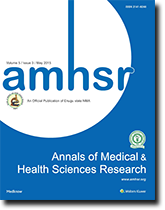 The Annals of Medical and Health Sciences Research is a monthly multidisciplinary medical journal.